Research

Condition Monitoring-based Prognostics and Health Management (PHM) and Reliability Analysis

상태 모니터링 데이터 기반의 시스템 예지보전 및 신뢰성 분석

Modern complex systems like smart factories are increasingly equipped with IoT sensors and computer vision technologies that enable continuous monitoring of system health and states. The resulting abundance of data opens up new opportunities for data-driven approaches, such as AI, machine learning, and statistical modeling, to enhance system reliability. Our research leverages these methods to perform anomaly and fault detection, predict the remaining useful life of components, and support holistic evaluations of system reliability. Ultimately, this work lays the foundation for evidence-informed decision-making and proactive maintenance strategies that reduce unexpected failures and improve overall system performance.

현대의 스마트 공장과 같은 복잡 시스템은 IoT 센서와 컴퓨터 비전 기술을 갖추어 시스템 상태를 지속적으로 모니터링할 수 있게 되었습니다. 이로 인해 생성되는 방대한 데이터는 AI, 머신러닝, 통계 모델링 등 데이터 기반 접근 방식을 활용하여 시스템 신뢰성을 향상시킬 새로운 기회를 제공합니다. 본 연구에서는 이러한 방법들을 활용하여 시스템의 이상 및 결함을 감지하고, 시스템 구성 요소들의 잔여 수명을 예측하며, 시스템 신뢰성 평가를 지원합니다. 궁극적으로, 과학적 근거 기반 의사결정과 사전 예방적 유지보수 전략을 마련하여 예기치 않은 고장을 줄이고 시스템 전반의 성능을 향상시키는 데 기여합니다.
Realtime Adaptive AI/ML Frameworks for System Agility

시스템 변화에 민첩하게 적응할 수 있는 실시간 적응형 AI/ML 프레임워크 개발

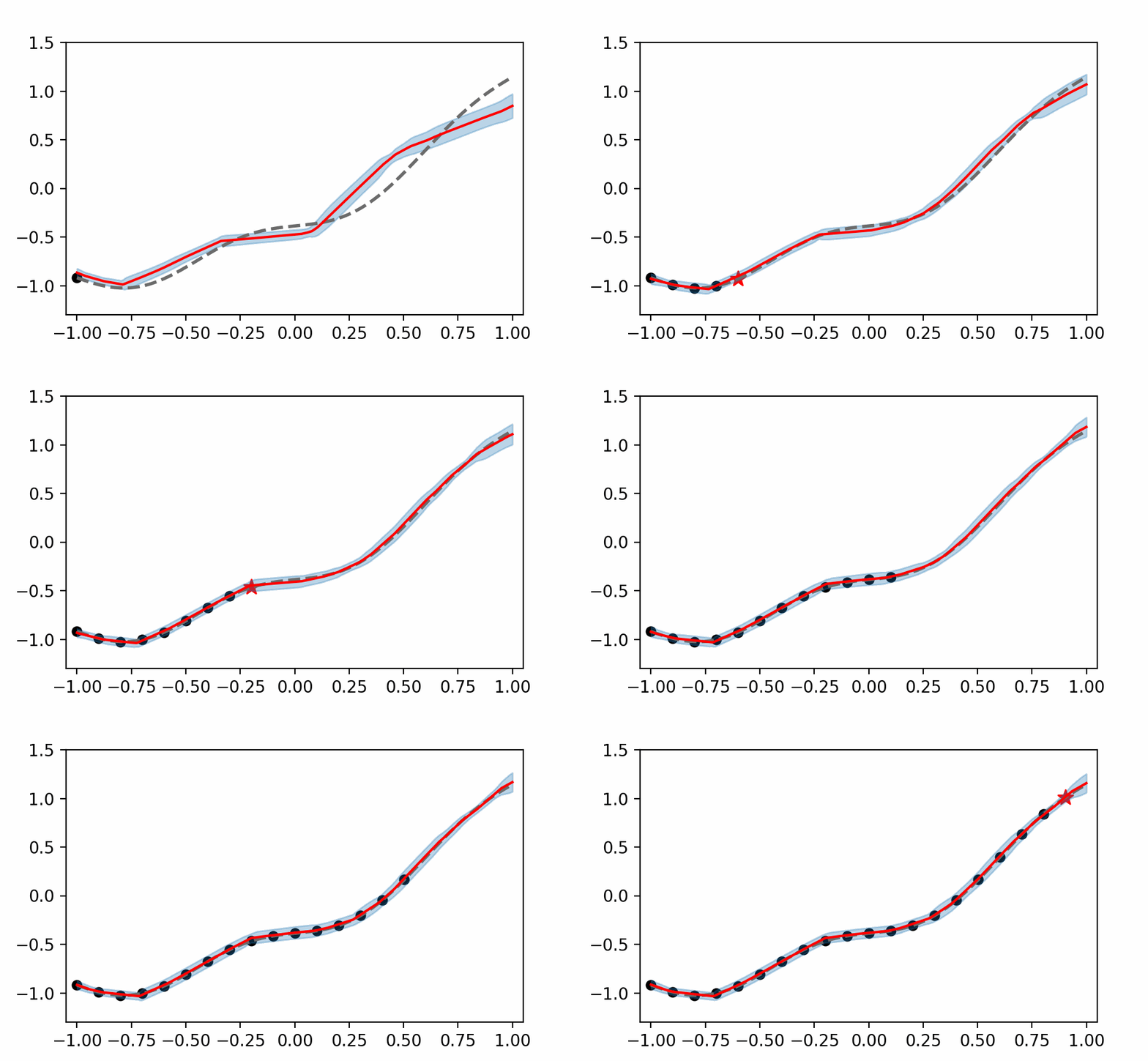
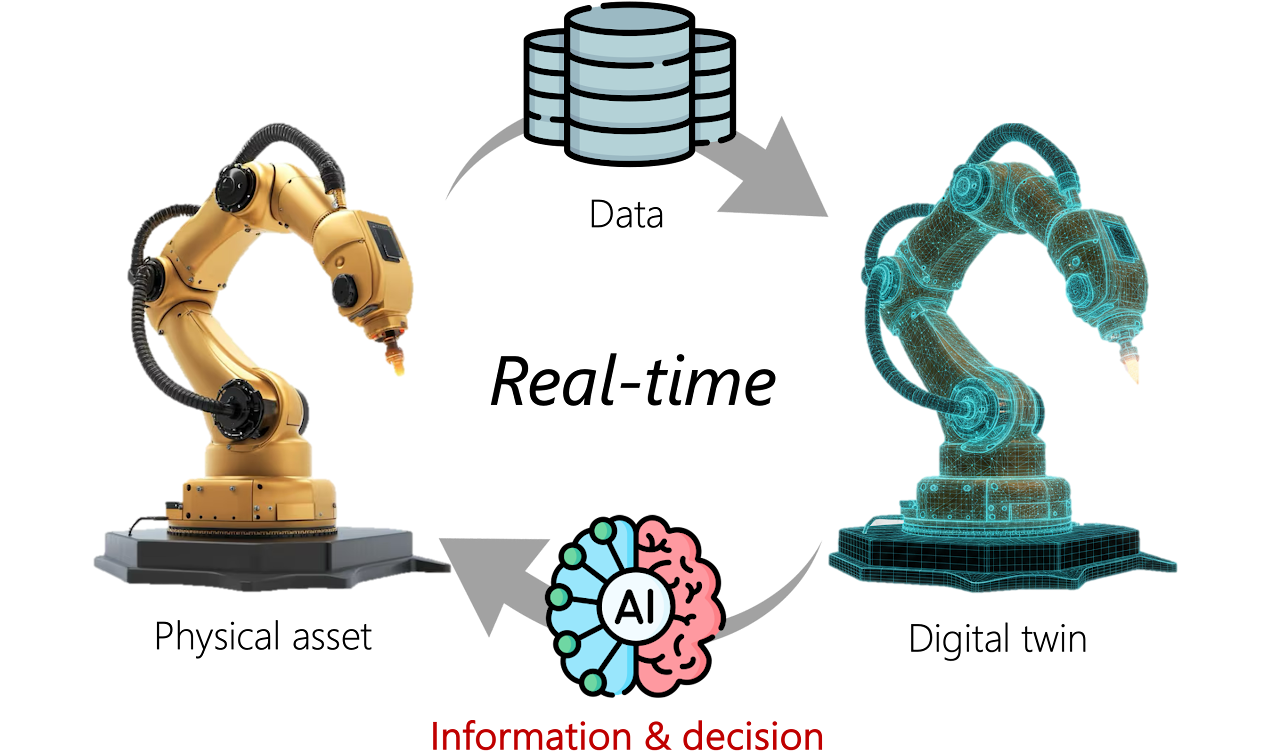
In smart manufacturing and digital twin ecosystems, real-time adaptability is critical for ensuring system agility and resilience. Our research focuses on developing online and continual learning frameworks that serve as the intelligence layer of digital twins, enabling predictive models to evolve seamlessly as new streaming data arrive. Unlike static models trained on fixed datasets, these adaptive AI/ML methods dynamically update predictions and decisions in response to changing operating conditions, disturbances, and system behaviors. By coupling real-time learning with digital representations of physical systems, we aim to empower proactive decision-making, enhance predictive accuracy, and achieve resilient, self-optimizing operations in complex engineered environments.

Realtime Adaptive AI/ML Frameworks for System Agility

스마트 제조 및 디지털 트윈 기술에서는 시스템 상태 변화에 따른 실시간 적응성이 시스템의 민첩성과 회복력을 보장에 핵심적인 역할을 합니다. 온라인 및 지속 학습 프레임워크를 중심으로, 새로운 데이터가 수집됨에 따라 실시간으로 적응할 수 있는 예측 모델을 개발하는 방법론을 연구합니다. 고정된 데이터셋으로 학습된 정적 모델과 달리, 이러한 적응형 AI/ML 방법은 운영 조건 및 시스템 동작/상태의 변화에 따라 예측과 의사결정을 동적으로 업데이트 할 수 있습니다. 선제적 의사결정을 가능하게 하고, 예측 정확성을 향상시키며, 복잡하고 유동적인 환경에서 자기 최적화되는 시스템 운영 프레임워크 개발을 위해 노력하고 있습니다.

Realtime Adaptive AI/ML Frameworks for System Agility

Collaborative Analytics for Smart and Connected Systems

스마트연결시스템을 위한 협력적 데이터 분석

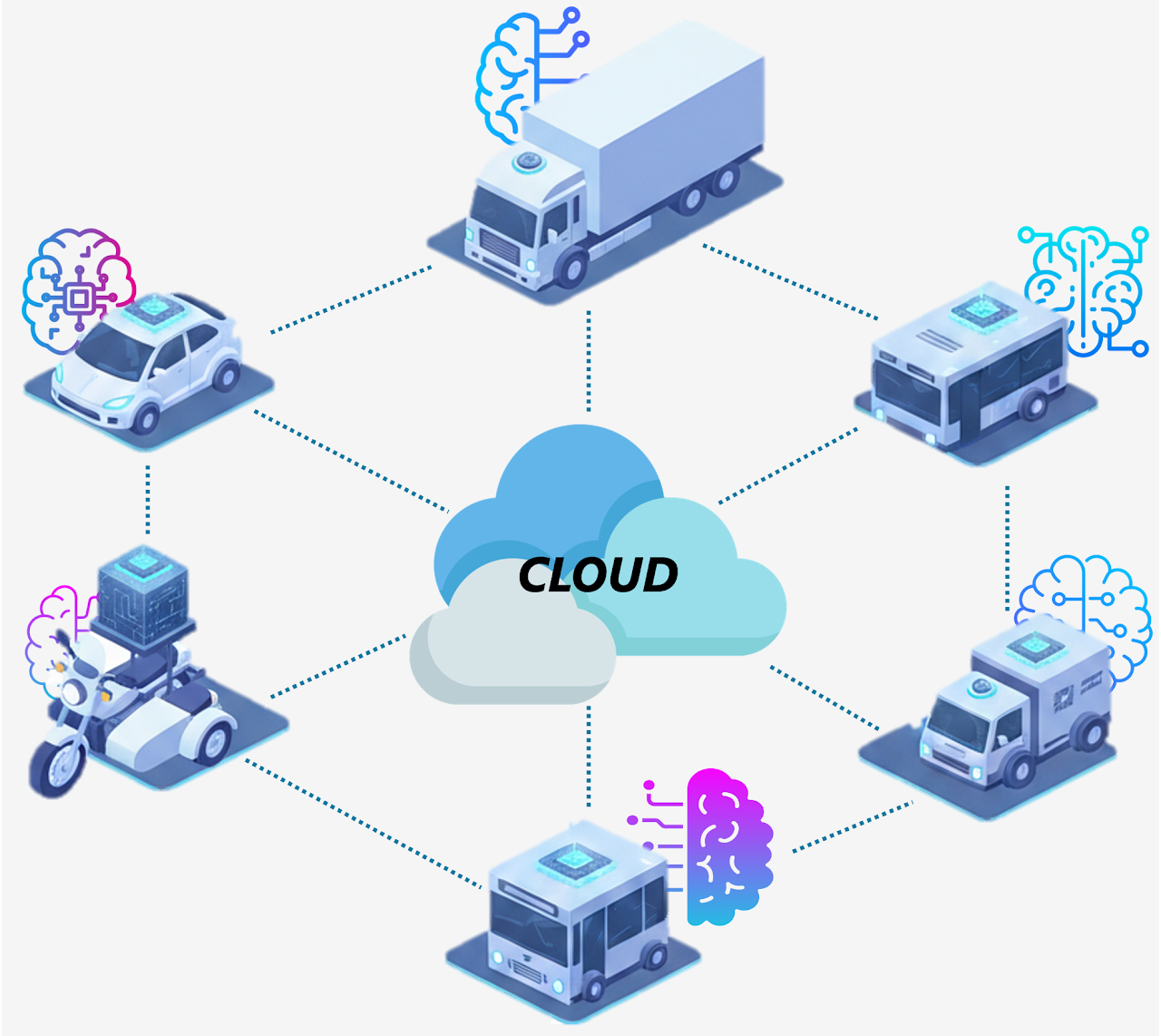
The rapid proliferation of IoT devices and edge computing platforms, from industrial sensors to neuromorphic processors, opens vast opportunities for distributed intelligence across interconnected systems. However, data in these environments are often heterogeneous, privacy-sensitive, and dispersed across multiple sources, making centralized learning both impractical and privacy-sensitive. Our research designs and develops federated and collaborative learning frameworks that enable knowledge sharing and model training without exchanging raw data. These methods support privacy-preserving analytics while leveraging the richness of distributed data to build robust, scalable, and transferable models. Practical applications include collaborative prognostics for smart factory networks, intelligent traffic management with connected vehicles, distributed health monitoring and survival analysis across patient populations, and energy consumption prediction and optimization in smart grids. By advancing collaborative intelligence, we aim to empower smart and connected systems that learn collectively yet adapt locally, as well as operate securely in complex industrial and societal contexts.

Collaborative Analytics for Smart and Connected Systems

산업용 센서부터 뉴로모픽 프로세서에 이르기까지 IoT 장치와 엣지 컴퓨팅 플랫폼이 급속히 확산됨에 따라, 여러 장치가 연결된 시스템에서 분산 인텔리전스를 구현할 수 있는 폭넓은 기회가 생기고 있습니다. 예를 들어, 스마트 공장, 커넥티드 카 시스템, 스마트 그리드와 같은 연결 시스템에서는 각 개체(예: 스마트 공장에서의 각 기기/설비들, 커넥티드 카 시스템의 각 차량들 등)이 로컬 컴퓨팅 자원을 탑재하고 있으며, 센서 등을 통해 각각 데이터를 수집합니다. 그러나 이러한 환경에서 수집된 데이터는 장치별 특성에 따라 이질적이고, 민감하며, 데이터가 여러 개체에 분산되어 있어 기존의 중앙집중식 학습은 실용적이지 않을 뿐만 아니라 보안 측면에서도 문제가 됩니다.

본 연구에서는 각 로컬 장치에 수집된 데이터를 교환하지 않고도 지식 공유와 모델 학습이 가능한 연합 및 협력 학습 프레임워크를 설계하고 개발합니다. 이를 통해 분산 데이터의 풍부한 정보 및 컴퓨팅 파워를 활용하면서도 각 개체의 프라이버시를 보호할 수 있는 확장 가능한 모델을 구축합니다. 궁극적으로, 로컬 컴퓨팅 자원을 갖춘 개체들이 집단적으로 학습하면서도 각 개체의 특성에 따라 개인화 할 수 있는 스마트연결시스템 프레임워크 개발을 목표로 합니다. 실제 적용 사례로는 스마트 공장 네트워크를 위한 협력적 예측모델 개발, 커넥티드 카 기반 지능형 교통 관리, 분산 건강 모니터링 및 생존 분석, 스마트 그리드의 에너지 소비 예측 및 최적화 등이 있습니다.

Data-Driven Human Motion Analysis

데이터 기반 인간 동작 분석

Motion analysis provides critical insights into the safety, performance, and health status of individuals across a wide range of environments. Our research develops AI- and statistical modeling–based frameworks to analyze motion data captured through multimodal sensing systems such as IMU sensors, wearable devices, and computer vision. By integrating these heterogeneous data sources, we extract meaningful patterns of human movement, enabling the detection of risky behaviors and potential health conditions, as well as the quantification of physical strain. Key applications include workplace safety in manufacturing and construction, rehabilitation and clinical monitoring, sports performance optimization, and adaptive human–machine interaction. Through this work, we aim to build intelligent, data-informed systems capable of monitoring, interpreting, and enhancing human activity across diverse industrial, healthcare, and societal domains.

동작 분석은 다양한 환경에서 인간의 안전, 수행능력, 건강 상태를 이해하는 데 중요한 내재적 정보을 제공합니다. 우리 연구실은 AI 및 통계 모델링 기반 프레임워크를 개발하여 IMU 센서, 웨어러블 기기, 컴퓨터 비전 등 다중 모달 센싱 시스템을 통해 수집된 동작 데이터를 분석합니다. 이종 데이터를 통합함으로써 인간의 움직임에서 의미 있는 패턴을 추출하고, 위험 행동과 잠재적 건강 이상을 감지하며, 신체적 부담을 정량화할 수 있습니다. 주요 응용 분야로는 제조 및 건설 현장의 산업 안전, 재활 및 임상 모니터링, 스포츠 수행능력 최적화, 그리고 적응적 인간-기계 상호작용등이 있습니다. 이러한 연구를 통해 우리는 다양한 산업, 의료, 사회적 영역에서 인간 활동을 모니터링·해석·향상시킬 수 있는 지능형 데이터 기반 시스템을 구축하고자 합니다.

Meta Learning and Personalized Analytics

메타러닝 및 개인화분석

In many real-world applications, AI models must generalize effectively to unseen data and adapt rapidly to new tasks or environments where labeled data are scarce. Our research focuses on meta learning and few/zero-shot learning approaches to address these challenges, enabling models to learn from limited examples while retaining robustness across diverse domains. Thus, we aim to build AI systems that maintain high predictive performance even when operating in novel or evolving contexts. Furthermore, we explore fast personalization strategies, adapting meta-learned models (like foundation models) to specific objectives or user requirements with minimal additional data. Applications span smart manufacturing, personalized health monitoring, and adaptive human-machine interfaces, where rapid and reliable model adaptation can significantly enhance system effectiveness, user experience, and operational decision-making.

AI 모델을 실제 문제에 적용할 때에는 보지 못한 데이터에 효과적으로 일반화할 수 있어야 하며, 데이터가 부족한 새로운 작업이나 환경에도 신속하게 적응할 수 있어야 합니다. 메타러닝 접근법을 기반으로, 제한된 데이터만으로도 학습하면서, 기존에 학습하지 않은 상황에서도 잘 작동할 수 있도록 하는 학습 프레임워크를 개발합니다. 새로운 혹은 변화하는 환경에서도 높은 예측 성능을 유지하는 AI 시스템을 구축하는 것을 목표로 합니다. 아울러, 메타 학습된 모델(예: 파운데이션 모델)을 최소한의 추가 데이터만으로 특정 목표나 사용자 요구에 맞게 빠르게 개인화할 수 있는 전략을 탐구합니다. 이러한 기술은 스마트 제조, 개인 맞춤형 건강 모니터링, 적응형 인간-기계 인터페이스 등 다양한 응용 분야에 활용될 수 있으며, 빠르고 신뢰성 있는 모델 적응을 통해 시스템 효율성, 사용자 경험, 운영 의사결정을 크게 향상시킬 수 있습니다.